

The next wave of aquaculture innovation will not come from a single technology, but from connecting selective breeding, genomics, production data and economics. Together, these disciplines are helping producers improve biological performance, reduce risk and create more value from every generation. The science behind genetic improvement is increasingly sophisticated – but applying it successfully should not have to be.
Better biology starts with better decisions
Disease outbreaks. Variable survival. Rising production costs. Unpredictable global trade conditions. And growing pressure to improve sustainability while maintaining profitability.
These are challenges familiar to aquaculture producers across Latin America, regardless of whether they farm shrimp, salmon, tilapia or molluscs.
Every production system is different, yet they all face the same fundamental question: How can biological performance continue improving without proportionally increasing production costs?
For decades, selective breeding has been one of aquaculture’s most successful answers. By selecting the best animals generation after generation, producers have achieved significant improvements in growth, survival, robustness and product quality. Today, selective breeding can achieve even more. By combining breeding science with genomics, reproductive technologies, production data and bioeconomics, producers can make more informed decisions throughout the breeding process and maximise the return on their investment in genetics. Benchmark Genetics integrates these capabilities to support breeding programmes and commercial producers across multiple aquatic species, combining almost five decades of breeding expertise with advanced genomic technologies and local technical support throughout Latin America.
Making advanced genetics practical
Aquaculture has made enormous advances in nutrition, health management and production technology. Genetics has progressed just as rapidly, but the greatest opportunities now lie in connecting these disciplines rather than improving each one independently.
Today’s breeding decisions increasingly depend on integrating production records, genomic information, reproductive technologies and economic analyses. The objective is no longer simply to identify the best parents, but to understand which improvements create the greatest value throughout the production cycle.
This is where Benchmark Genetics is particularly well positioned. By bringing breeding programme design, genomics, genotyping, reproductive technologies and bioeconomics together, complex scientific tools can be translated into practical decisions for producers. The technologies and analyses may be sophisticated; the customer’s decision should be much simpler: where should we invest to achieve the greatest genetic and economic return?
Five connected capabilities for genetic improvement
Phenotyping & production data – Measure performance
Records traits such as growth, survival, disease resistance and feed efficiency, providing the foundation for genetic improvement.
Genotyping – Generate DNA information
Measures specific DNA markers (SNPs) to support parentage, diversity management, population analysis and genomic selection.
Genomics & genomic selection – Predict genetic potential
Combines genome-wide information with performance and pedigree data to identify animals with the greatest genetic potential.
Reproductive technologies – Use elite genetics effectively
Technologies such as cryopreservation help preserve, manage and disseminate valuable genetics across generations.
Bioeconomics – Identify where value is created
Connects genetic improvement with production costs, risk and profitability to help prioritise breeding objectives and investments.
These capabilities are complementary rather than standalone solutions. The right combination depends on the species, population, breeding objectives and production system.
Benchmark Genetics is built on the legacy of pioneering Norwegian breeding expertise and breeding programmes – including AKVAFORSK, Akvaforsk Genetics and SalmoBreed. Today, the company operates leading Atlantic salmon breeding programmes in Norway and Iceland while providing genetics services across more than 30 aquatic species worldwide.
The experience gained through continuous commercial breeding provides a unique foundation for developing practical biotechnology solutions that can be transferred to other species and production systems.
The company’s integration into Novo Holdings’ life-science portfolio has further strengthened its long-term commitment to biotechnology research and innovation, supporting investments that extend selective breeding through genomics, reproductive technologies and bioeconomic decision tools.
Turning research into measurable production value
Advanced technologies are only valuable if they improve farm performance.
Genetics can also provide one of aquaculture’s most powerful tools for disease prevention. While genetics is often associated primarily with faster growth, selective breeding can permanently improve resistance to important diseases across generations – reducing biological risk before disease occurs.
Every breeding programme therefore faces important questions: Which traits should receive the greatest emphasis? Which animals should become the next generation of parents? How can disease resistance be improved without exposing breeding candidates to pathogens? How can genetic gain increase while preserving genetic diversity? And which technologies provide the greatest economic return?
Recent research demonstrates how these questions translate into commercial results.
In Atlantic salmon, genomic selection for resistance to cardiomyopathy syndrome (CMS) was validated during a natural disease outbreak. Mortality among highly selected families was 12.5%, compared with 26.2% among mid-ranked families – more than halving the mortality rate after one generation of genomic selection
For producers, this demonstrates how improved disease resistance can be incorporated into future generations before disease outbreaks occur, reducing biological risk while maintaining production efficiency.
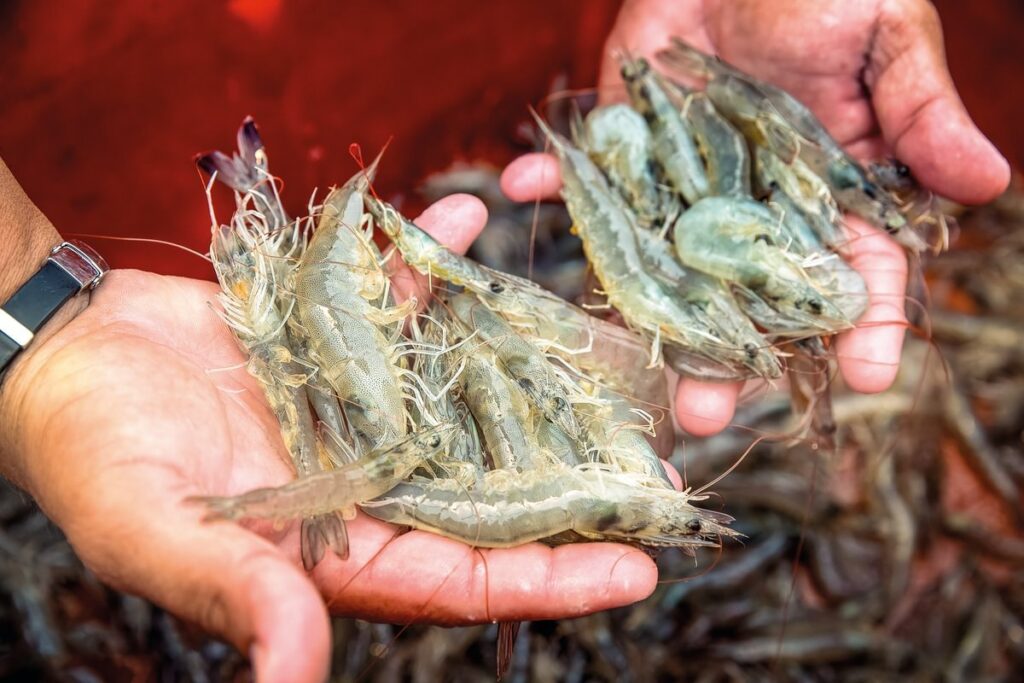
A similar approach has been demonstrated in whiteleg shrimp. By analysing genomic information from animals exposed to White Spot Syndrome Virus (WSSV), researchers identified relatives with superior genetic resistance that had never been challenged themselves. After only one generation of selection, offspring from the highest-ranking candidates achieved 51% survival, compared with 25% among offspring from low-ranking candidates.
The message is straightforward: when genomics is integrated into breeding programmes, research can become measurable improvement in commercial production. Unlike interventions that must be repeatedly applied during production, genetic improvements can be passed to the next generation and continue to accumulate.
The future of aquaculture genetics is not simply more data or more markers. It is the ability to convert biology, technology and economics into better decisions that maximise return on investment – and repeat that process in every generation.
An integrated toolkit for genetic improvement
A well-designed breeding programme provides the foundation for long-term genetic improvement. Several complementary technologies can then increase the performance and return on investment of the programme.
Designing breeding programmes for long-term improvement
Sustainable genetic progress depends on getting the fundamentals right. Carefully designed breeding objectives, accurate genetic evaluations, structured mating plans and effective management of inbreeding ensure that each generation builds upon previous gains, creating compounding and permanent improvements while maintaining the genetic diversity needed for future progress.
A well-designed breeding programme is the foundation of genetic improvement leading to realised performance gains, and several key technologies can enhance the performance and ROI of the programme.
Genotyping: generating the right information – not simply more information
Genotyping has become one of the most powerful tools available to modern aquaculture breeding. The objective, however, is not to generate as many DNA markers as possible. It is to generate the information required to make better breeding decisions.
Different breeding programmes have different objectives, and the most appropriate genotyping strategy depends on the question being asked. SNP panels can support a wide range of applications, from parentage assignment and genetic diversity monitoring to genomic selection, disease-resistance studies, population structure analysis, traceability and the development of customised breeding solutions. The key is selecting the right panel and analytical approach for each specific purpose.
Lower-density panels often provide the most cost-effective solution for routine breeding operations such as parentage verification and diversity management, while higher-density arrays enable advanced genomic analyses, genomic selection and research applications. Choosing the appropriate technology is therefore not simply a technical decision – it is also a biological and economic one, balancing the value of the information generated against the cost of implementation.
Bioeconomics: understanding where value is created
Using the most advanced genetic technology does not automatically deliver the best investment. Two technologies may have potential to generate similar improvements in survival or growth but produce very different economic returns depending on their cost and application.
Bioeconomic analysis translates genetic improvement into commercial outcomes by evaluating impacts on production cost, harvest weight, production cycle, biological risk and profitability. This allows breeding organisations and producers to prioritise investments that generate the greatest value—not simply the greatest biological response.
Cryopreservation: maximising the value of elite genetics
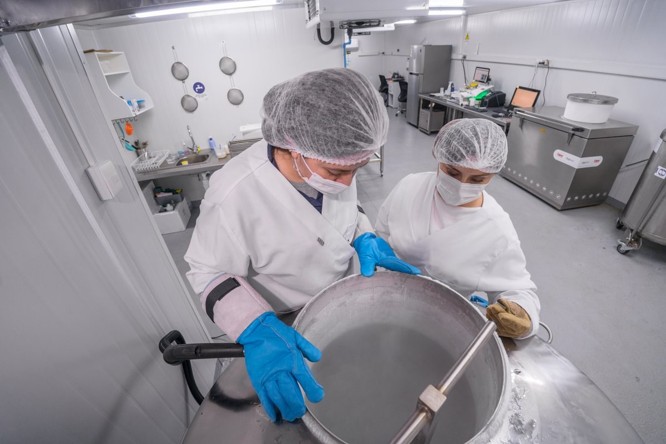
Cryopreservation can play an important role in maximising the use and dissemination of elite genetics within a breeding programme. By preserving genetic material from selected males, it can provide greater flexibility in mating strategies and allow valuable genetics to be used across different breeding cycles. Where species-specific protocols are validated, cryopreservation can also help preserve genetic diversity and safeguard valuable genetic resources accumulated over many generations. Integrated into the overall breeding strategy, it becomes another tool for increasing the long-term value and return from genetic improvement.
Why Latin America matters
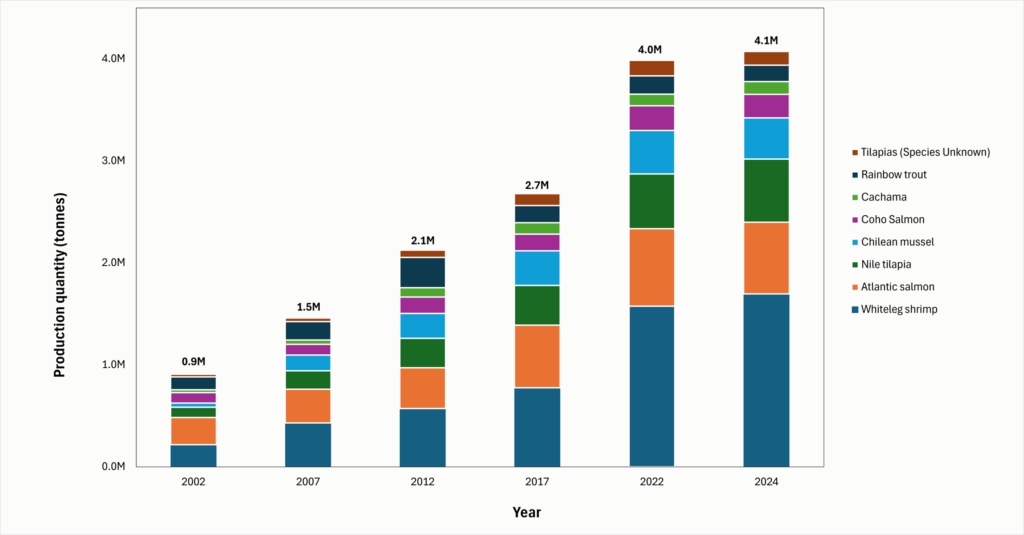
Latin America has become one of the world’s fastest-growing aquaculture regions, producing more than four million tonnes of aquatic species annually across shrimp, salmon, tilapia, trout, mussels and numerous native species. This diversity creates enormous opportunities – but also means that no single breeding strategy fits every species.
Successful biotechnology solutions must be adapted to local production systems, disease challenges and commercial realities.
From its base in Puerto Varas, Chile, Benchmark Genetics combines regional expertise with global specialists in breeding programme design, genomics, bioeconomics, cryopreservation and molecular genetics to support producers throughout Latin America in both Spanish and Portuguese.
The next generation of aquaculture improvement
Selective breeding remains one of aquaculture’s most powerful improvement tools because its benefits accumulate permanently across generations.
Genomics, reproductive technologies, production data and bioeconomics can significantly increase that value – but producers should not have to become experts in each technology to benefit from them.
The opportunity lies in bringing these capabilities together: identifying the production challenges that matter, selecting the technologies that can address them, and evaluating their biological and economic return as part of one integrated genetic improvement strategy.
The science may be complex. The objective is simple: apply the right technologies, in the right way, to create measurable value on the farm and maximise the return on investment in genetics.