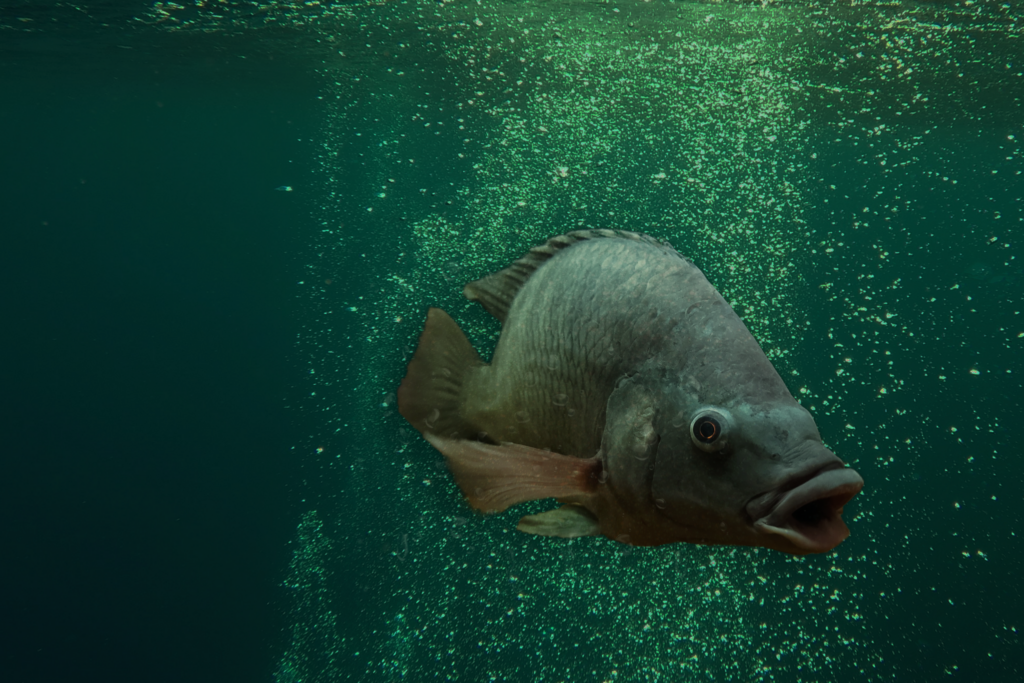


A new study published in Aquaculture documents a 76% genetic improvement in harvest weight in gilthead seabream over more than twenty years of selective breeding — one of the most comprehensive long-term assessments of genetic progress ever conducted in a marine aquaculture species. Drawing on data from almost 124,000 fish across 1,843 families produced between 2002 and 2023, the research provides rare, large-scale evidence of the long-term value of sustained investment in breeding. Conducted by Benchmark Genetics in collaboration with AVRAMAR, it reflects more than two decades of partnership in developing one of the Mediterranean’s longest-running commercial seabream breeding programmes.
The study analysed production and pedigree data from almost 124,000 gilthead seabream (Sparus aurata) representing 1,843 families produced between 2002 and 2023. Over more than twenty years of selective breeding, the programme achieved a cumulative 76% genetic improvement in harvest weight, equivalent to approximately 15% genetic gain per generation (an average annual gain of 3.6%), while maintaining low levels of inbreeding and preserving genetic diversity.
Beyond documenting long-term genetic progress, the findings demonstrate the broader value of selective breeding in modern aquaculture. Improved growth rates have the potential to shorten production cycles, improve resource utilisation, reduce biological risk and strengthen the long-term sustainability and competitiveness of aquaculture production. Although this study focused on harvest weight, the breeding programme has applied multi-trait selection to improve a range of commercially important characteristics, including robustness, survival and product quality.
“Long-term datasets of this quality are exceptionally rare in aquaculture,” said Ingunn Thorland, Senior Geneticist at Benchmark Genetics and lead author of the study. “This study demonstrates that well-designed breeding programmes can deliver sustained genetic improvement over decades while maintaining the genetic diversity needed for future progress. It provides strong scientific evidence of the long-term value of selective breeding for aquaculture.”
“This publication reflects more than two decades of continuous development of our breeding programme,” says Nikos Katribouzas, Group Genetics & R&D Manager, AVRAMAR. “The documented genetic gains confirm the value of long-term investment in selective breeding and provide a strong foundation for the continued development of the programme.”
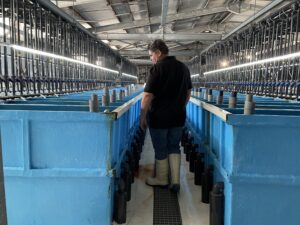
The study also provides one of the clearest examples to date of realised genetic gain achieved under commercial farming conditions, demonstrating that sustained genetic progress can be achieved alongside responsible management of genetic diversity.
As global demand for sustainable seafood continues to grow, the findings reinforce the role of selective breeding as one of the most effective and sustainable technologies for improving biological performance, production efficiency, and long-term competitiveness in aquaculture. The findings also provide a strong foundation for integrating genomic technologies into commercial breeding programmes, enabling even greater improvements in productivity, health and resilience in future generations.
The study:
Thorland et al., 2026. Sustained genetic gain for harvest weight in gilthead sea bream (Sparus aurata) over more than twenty years of selective breeding. https://www.sciencedirect.com/science/article/abs/pii/S0044848626006745