



A Remarkable Salmon Journey
SalmoBreed 25 years
In 2026 Benchmark Genetics celebrates 25 years since the founding of SalmoBreed, our Norwegian family-based breeding program for Atlantic salmon and the predecessor to Benchmark Genetics.
Established in May 2001, SalmoBreed set out to genetically improve Atlantic salmon through continuous, systematic selection, while bringing competition to the Norwegian salmon genetics market. It has since become a well-recognized program known for fast growth, late sexual maturity, and robustness, including strong resistance to diseases and parasites.
Here we share the stories of the people behind the science and the program’s impact on modern aquaculture, from its beginnings in 2001 to becoming a driving force in aquaculture genetics worldwide.
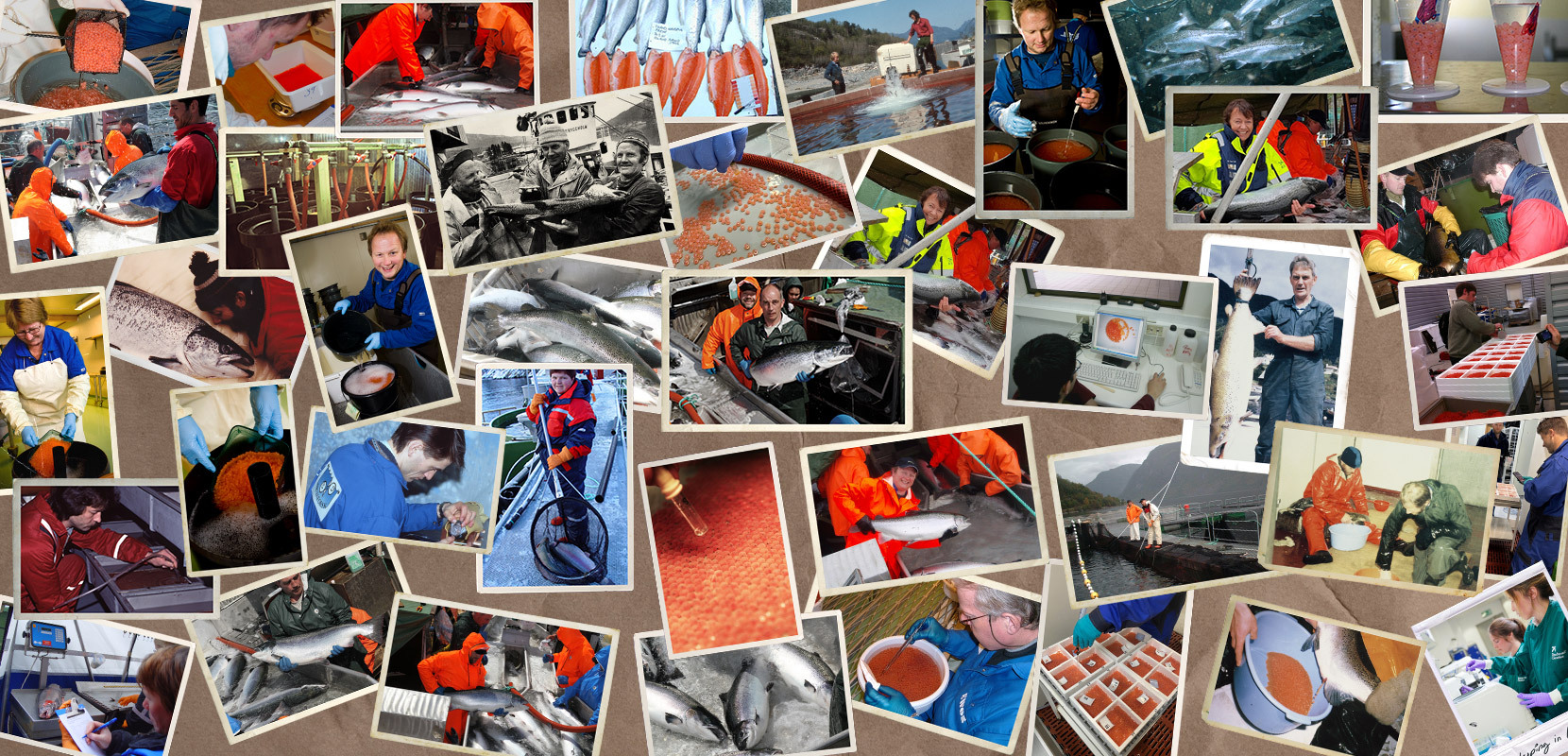
The Journey
Hear the full story, told by those who created it.
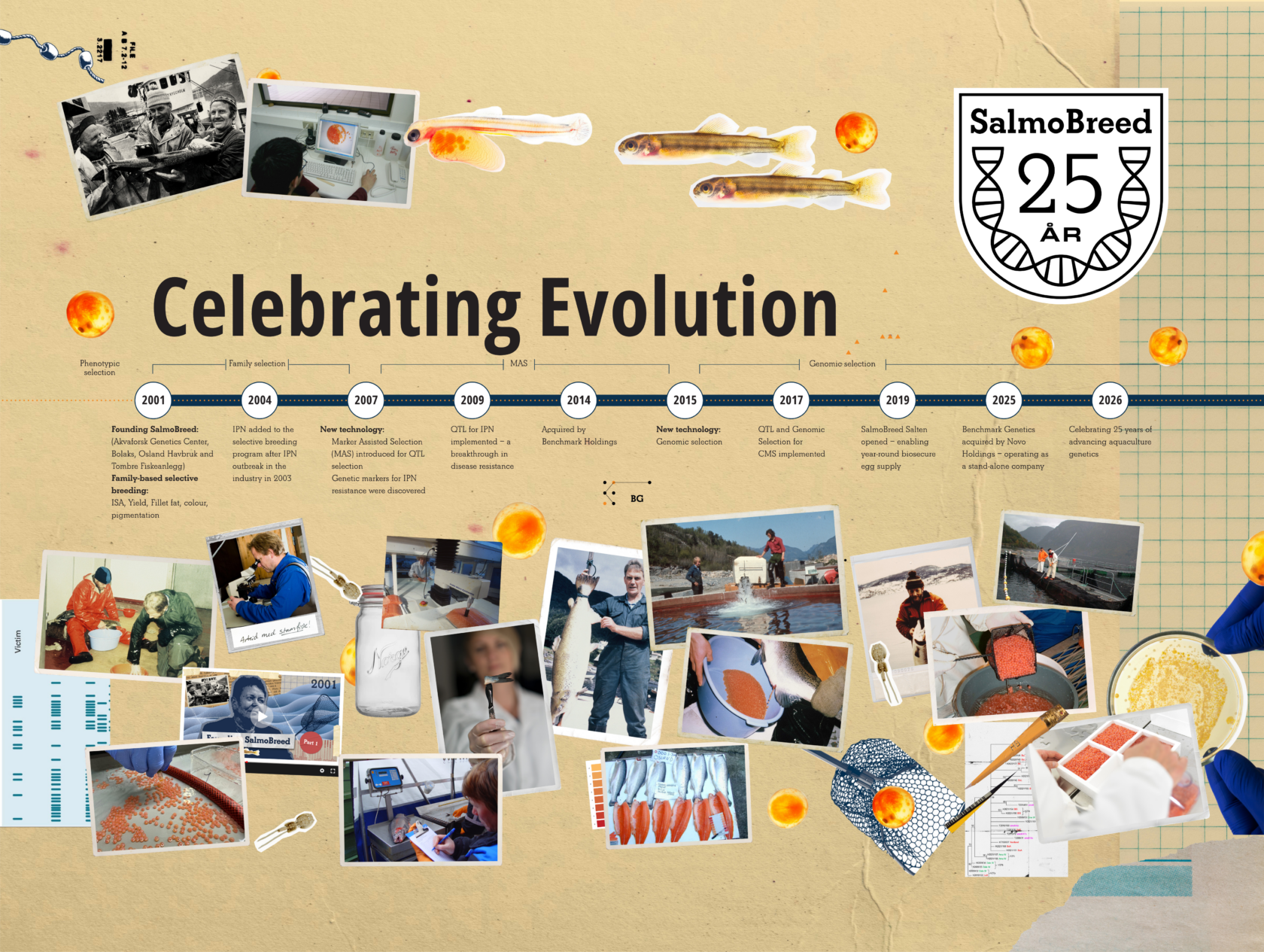
The Timeline
From its founding in 2001 to a driving force in aquaculture genetics today, SalmoBreed has shaped how Atlantic salmon are bred. This timeline traces the milestones and the methods, from phenotypic selection to genomic selection, that built the program now at the heart of Benchmark Genetics.
The Founders
SalmoBreed was established in a market dominated by a single supplier of salmon genetics. For some time, parts of the industry had recognised the need for stronger competition, and this led to the establishment of SalmoBreed in 2001.
The initiative was driven by competing companies sharing a common vision: for the industry to develop, “we must collaborate where we can – and compete where we must».
The shift started, driven by Bjørg M. Holmefjord Antonsen (AS Bolaks), Morten Rye (Akvaforsk Genetic Center), and Erik Osland (Osland Havbruk), who saw an opportunity to lift the entire sector.
Rather than emerging in a vacuum, SalmoBreed was built on a strong and well-established Norwegian environment in applied research and breeding, working together with experienced salmon and rainbow trout broodstock and egg producers. It was raised from a culture where competing suppliers cooperated for common goals rather than individual success. The ambition was to create a relevant alternative in the market, for the benefit of fish farmers and the aquaculture industry as a whole.
What followed was more than just a new company. The founder’s initiative became a turning point, intensifying competition and helping raise standards across the industry.
The story of SalmoBreed’s establishment reminds us of something fundamental: progress in aquaculture has always been driven by people willing to challenge the market together.
The Methods
25 years of SalmoBreed demonstrates what family‑based breeding can achieve when applied correctly and consistently.
The establishment of the family-based breeding programme was a defining turning point. By gaining an overview of families and genetic relatedness, they were able to control inbreeding, make informed decisions on which crosses to avoid, and significantly improve genetic gain – opening up what they describe as “a whole new world.” Long-term progress without compromising genetic variation remains one of the core advantages of family-based breeding.
At the same time, family-based breeding has evolved from simple “systems and lists” into a more sophisticated, precise, and data-driven platform. Clearly defined families, systematic sampling, and traceability of individuals back to their families provide a stronger decision-making basis and enable selection for traits that aren’t always visible at the individual fish level. As early as 1999, the first families were established, and shortly thereafter, the programme had around 300 families with tissue samples collected from every individual.
Selection methods have also evolved. The focus has shifted from choosing “big, good-looking fish” to supporting breeding decisions with parental data collected from siblings and calculating selection indices for broodstock candidates, enabling concurrent selection of traits such as growth, disease resistance, survival, and quality. This index-based selection made it possible to place more weight on traits that actually reduce biological risk in production, such as fast growth, robustness, and delayed sexual maturation, whilst maintaining traits that were less important but for which negative selection was undesirable.
25 years on, the impact is clear: SalmoBreed’s family-based breeding programme remains a cornerstone for sustainable genetic progress in aquaculture – delivering robust, high-performing salmon lines for the future.

The Jubilee
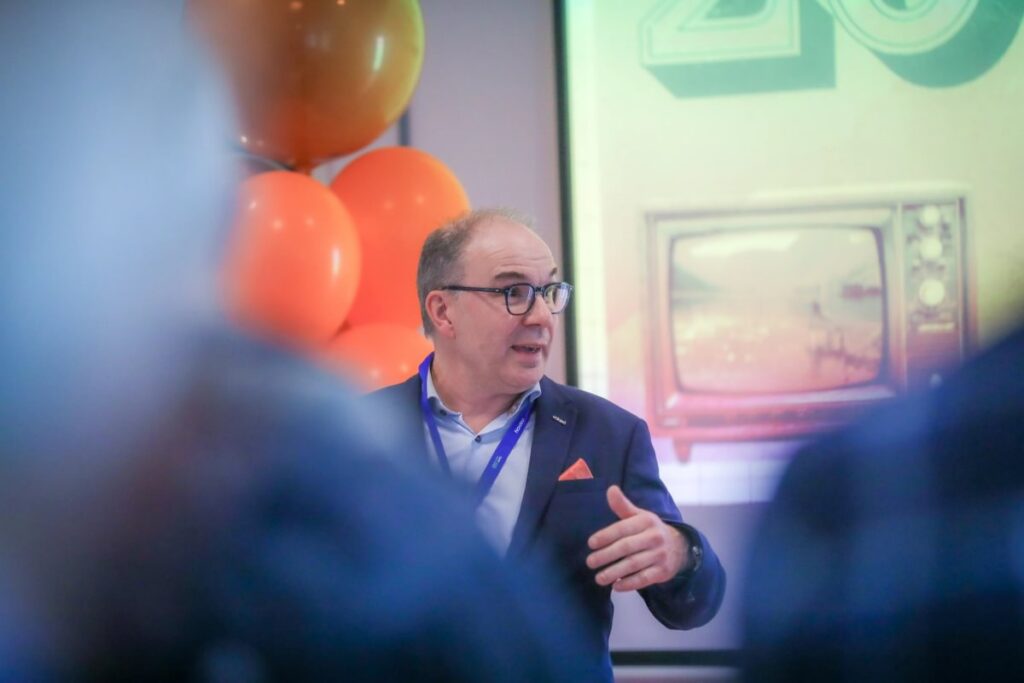
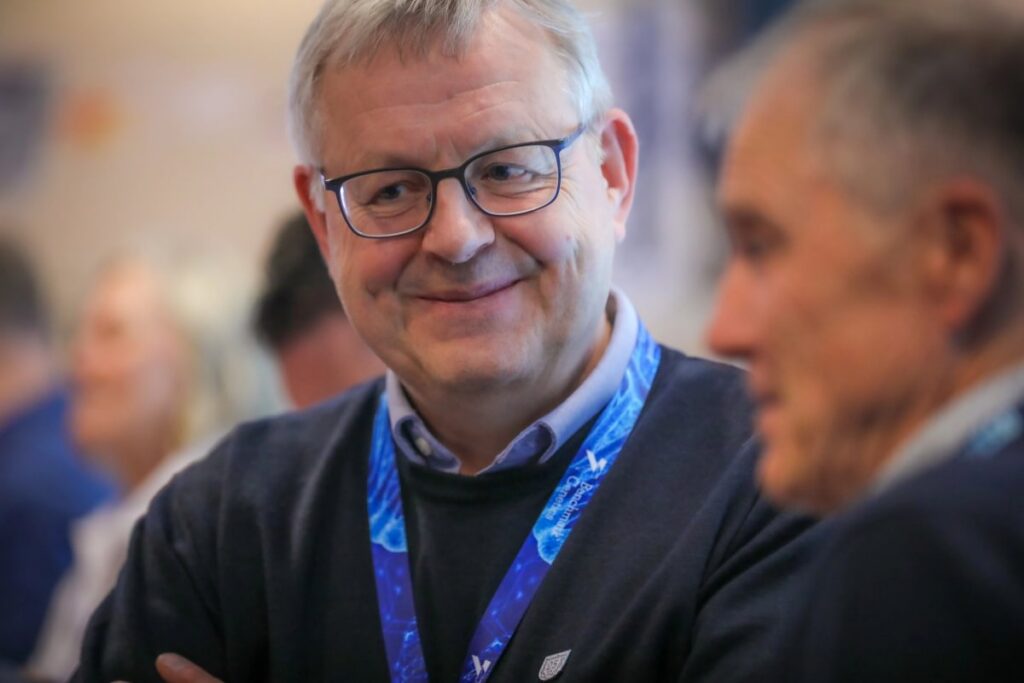
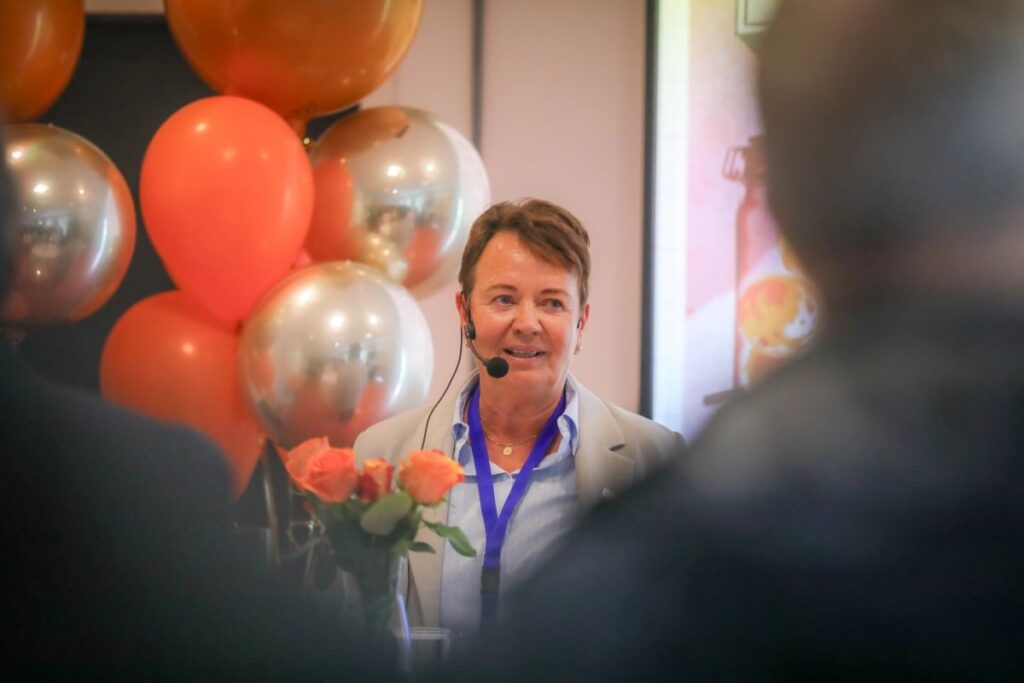
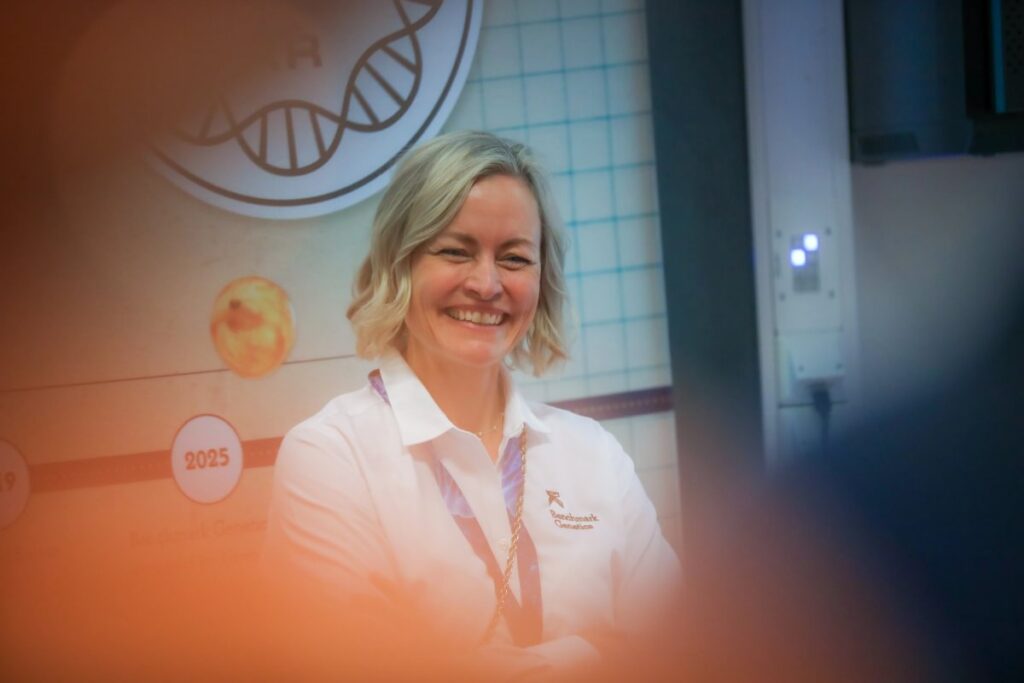
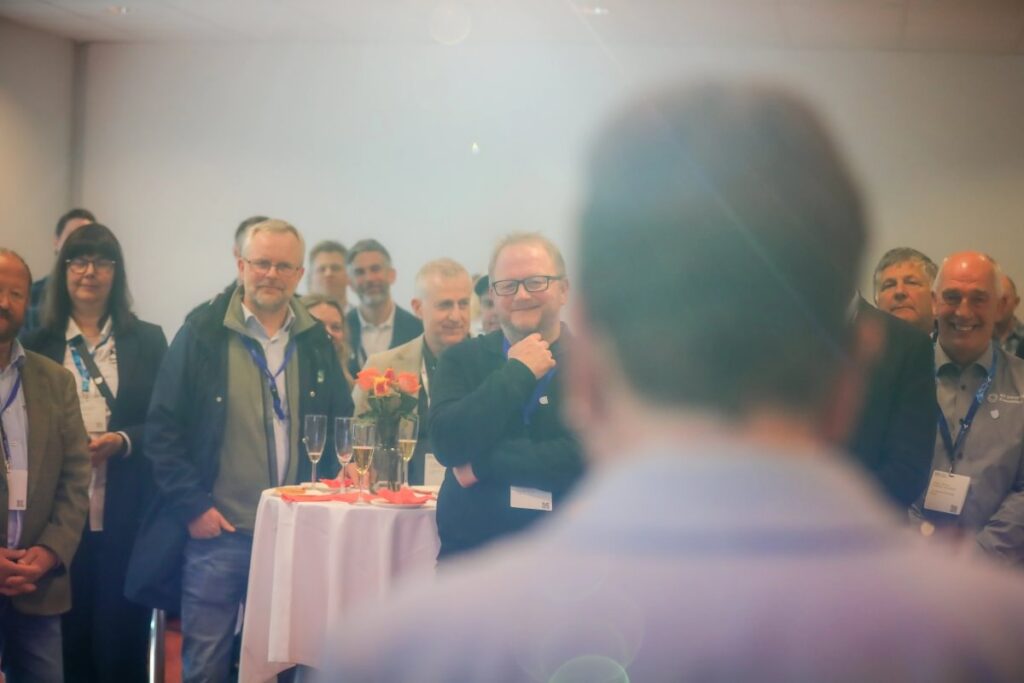
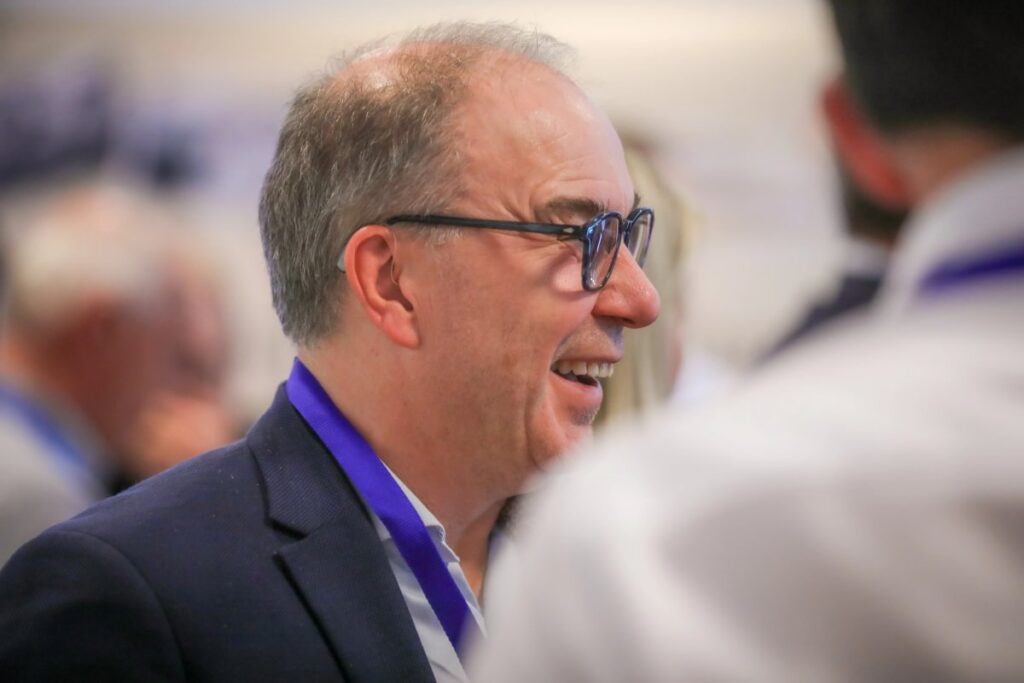
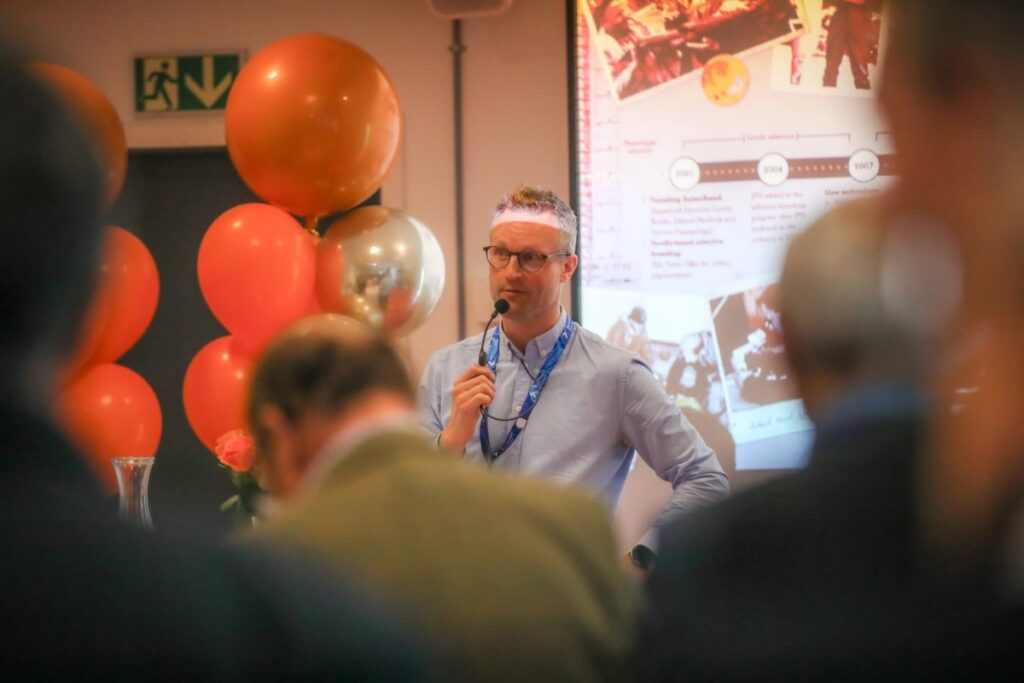
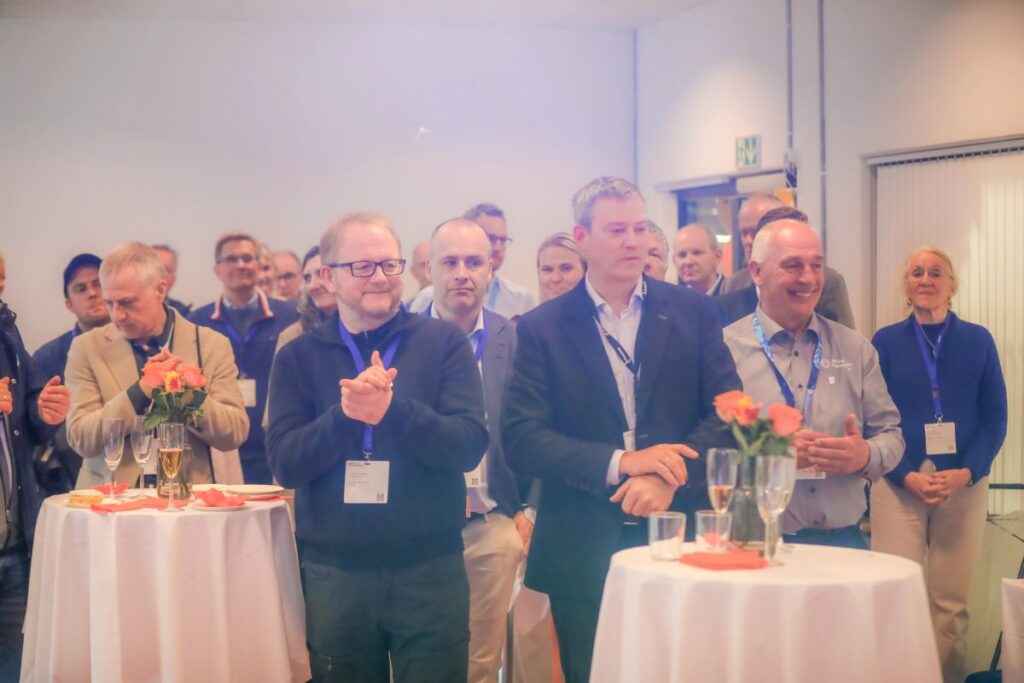
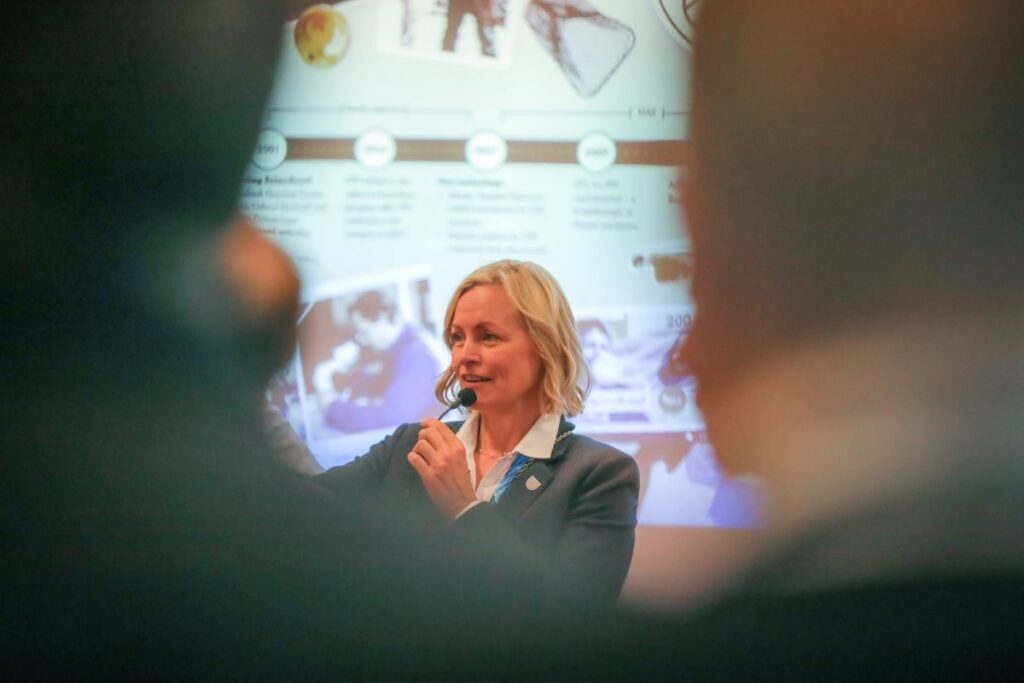
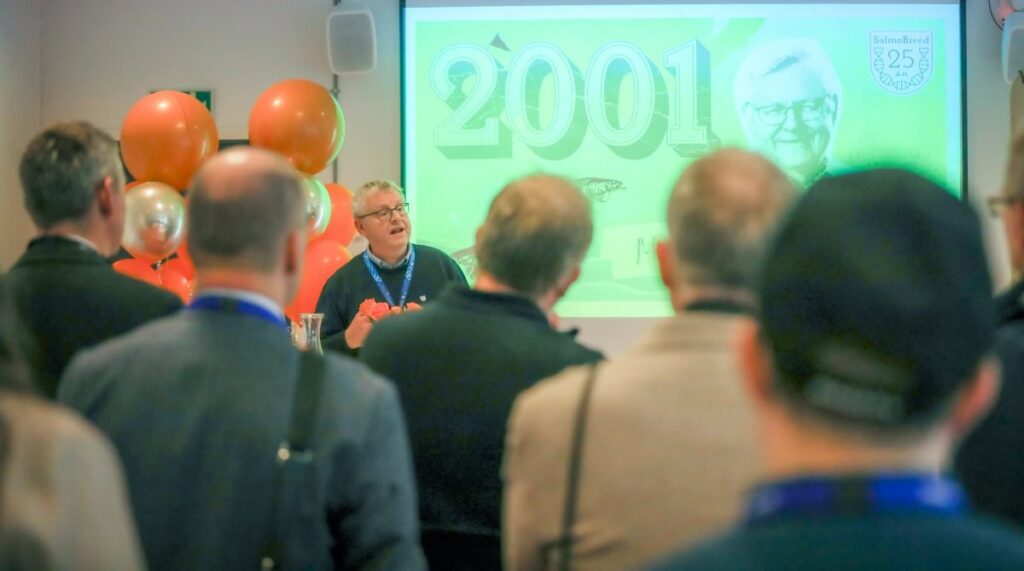
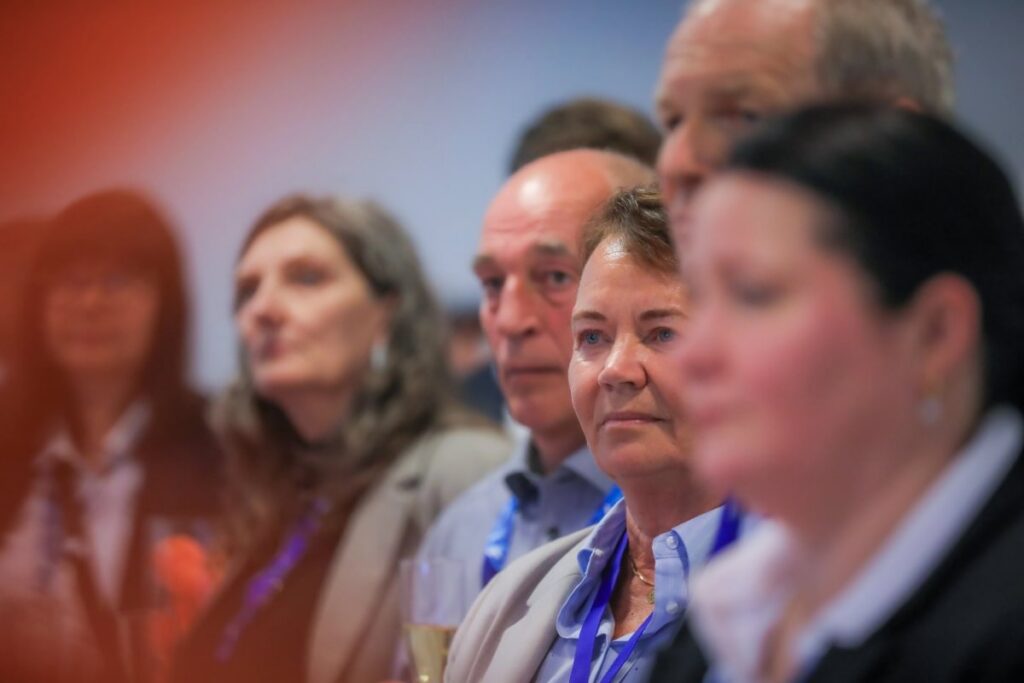
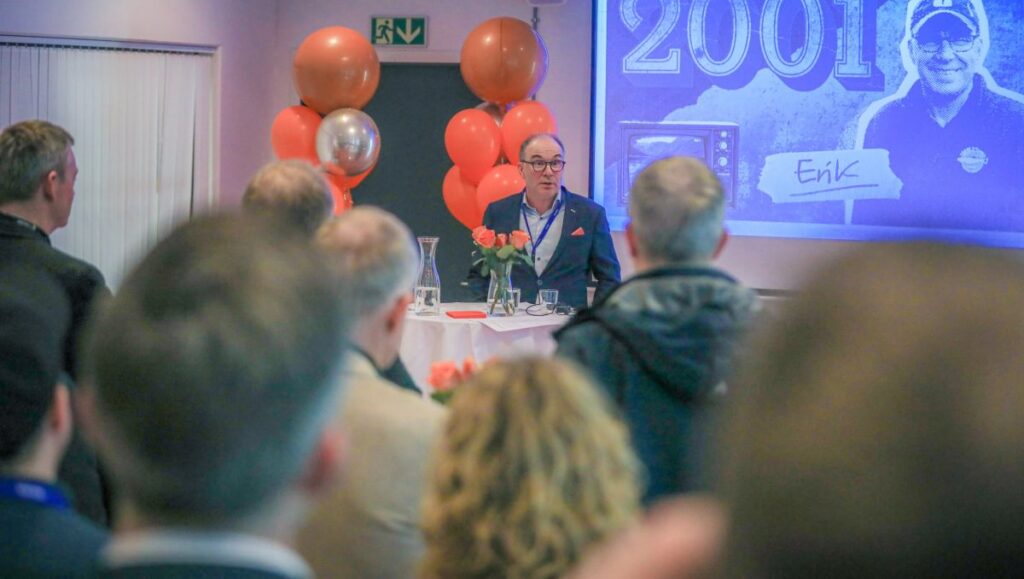
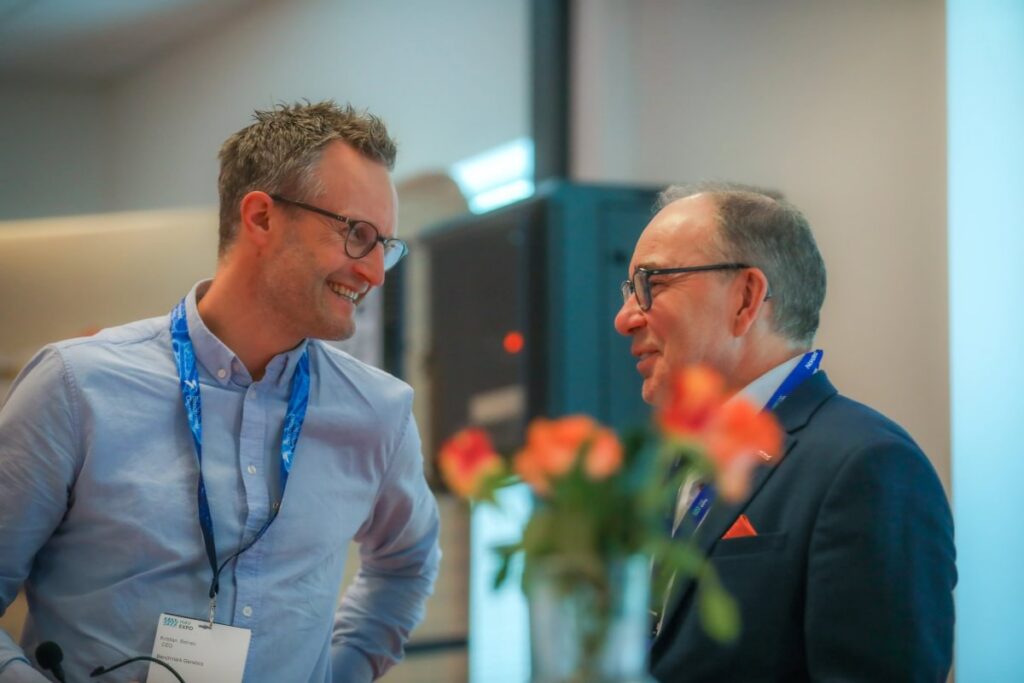
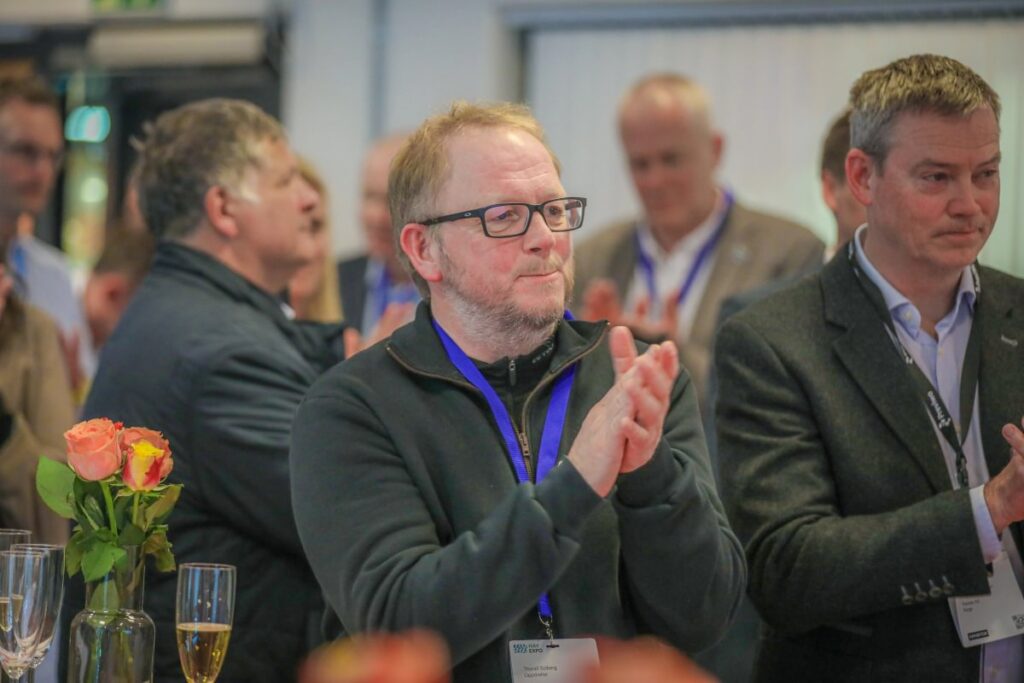
SalmoBreeds 25 year anniversary was celebrated with a private event at HavExpo 2026, where all the key people were invited.
Contributing in the videos:
Bjørg Holmefjord Antonsen: Co-founder SalmoBreed, Former CEO of Bolaks
Morten Rye: Co-founder SalmoBreed, Former CEO of Akvaforsk Genetics, Director External Services and International Strategies at Benchmark Genetics
Erik Osland: Co-founder SalmoBreed, Former CEO at Osland Havbruk
Even Søfteland: Former CEO at SalmoBreed, CEO at Capmare
Thoralf Solberg: Former CEO at Jakta Stamfisk, Former Sales manager SalmoBreed/Benchmark Genetics, Breeding manager at Osland Havbruk
Richard Markhus: Former Broodstock Manager of Bolaks, Production Manager Sævereid Fiskeanlegg