

Advancing salmon robustness in a research partnership with the University of Stirling
Benchmark Genetics is pleased to be a project partner in a major new University of Stirling – led research initiative that aims to advance understanding of salmon health and improve robustness during one of the most critical stages of production. The project has been awarded more than £1.4 million in funding from the UKRI Biotechnology and Biological Sciences Research Council (BBSRC).
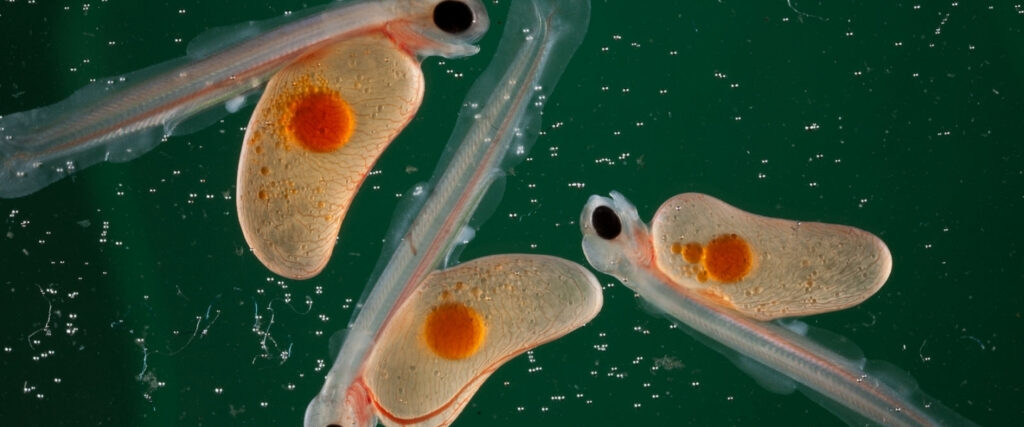
Led by Dr. Rose Ruiz Daniels, Lecturer in Aquaculture Genomics at the University of Stirling’s Institute of Aquaculture, the research will focus on tissue remodelling processes in Atlantic salmon during smoltification – the transitional phase when young fish adapt from freshwater to seawater. This period is associated with elevated vulnerability to stress and disease, and challenges related to gill and skin health remain a significant cause of mortality in salmon farming globally.
The study also benefits from £120,000 in in-kind support from Benchmark Genetics, reflecting the company’s long-standing collaboration with the University of Stirling and its commitment to advancing science-based solutions for improved fish health and welfare.

Targeting resilience at a critical life stage
Smoltification involves extensive physiological and cellular changes. When this process does not proceed optimally, fish can become more susceptible to disease and reduced performance. By studying smoltification as a biological remodelling event, the research team aims to identify how salmon repair tissues, resist disease and adapt to environmental change.
The project has three main objectives:
- To develop phenotyping tools that measure how effectively salmon repair and rebuild tissues during smoltification.
- To determine whether tissue repair capacity has a genetic basis and how it could inform future breeding strategies.
- To identify key cellular and biological processes underpinning tissue repair and link these to long-term health and resilience.
By identifying genes and biological pathways associated with successful smoltification, the project aims to deliver practical knowledge and tools that support improved breeding and health management strategies across the aquaculture industry.
Strengthening health traits through collaboration
Dr. Andrew Preston, Lead Trait Development & Land-based at Benchmark Genetics, highlights the relevance of the project for ongoing trait development work:
Developing new health traits that complement existing gill health traits marks an important step toward improving salmon welfare at critical stages of production, including during smoltification.
By broadening our understanding of the biological processes behind cell repair, our goal is to harness this knowledge to enhance robustness in salmon farming, supporting healthier fish at all stages during production.
The research builds on existing data and reinforces the strong collaboration between Benchmark Genetics, the University of Stirling and other aquaculture partners, ensuring that scientific insights are closely linked to industry needs and practical application.
Part of a broader innovation ecosystem
The announcement coincides with the near completion of the University of Stirling’s National Aquaculture Technology and Innovation Hub (NATIH), a state-of-the-art facility designed to support innovation and collaboration across the UK aquaculture sector. NATIH is funded through a £17 million UK Government investment via the Stirling and Clackmannanshire City Region Deal, alongside a £1 million grant from the Wolfson Foundation.
Benchmark Genetics is proud to support research initiatives that deepen biological understanding and contribute to more sustainable, resilient and welfare-focused aquaculture production, in Scotland and globally.