


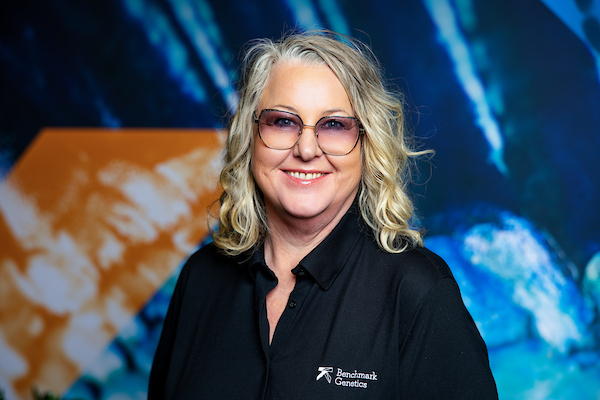
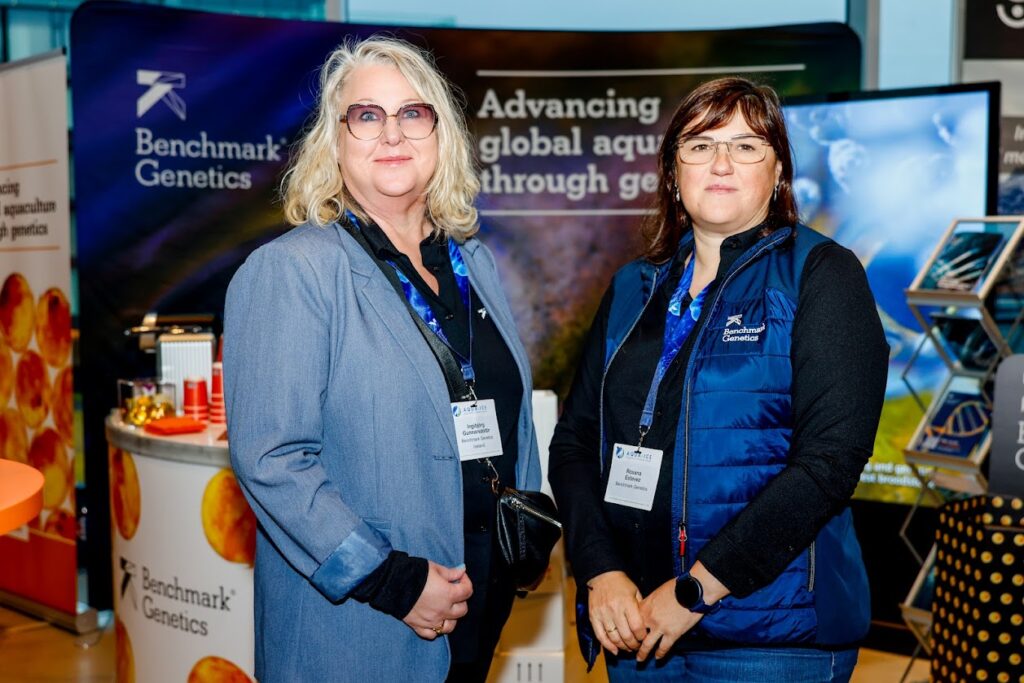
Ingibjörg Gunnarsdóttir is the Head of Accounting at Benchmark Genetics Iceland, a leading company in selective breeding and genetics for Atlantic salmon, which supplies high-quality salmon ova to more than 29 countries and plays a key role in sustainable aquaculture worldwide.
In her role, Ingibjörg oversees all financial operations within the company. This includes budgeting, financial reporting, compliance with Icelandic regulations, and maintaining robust internal controls. Her work ensures transparency and accuracy in financial processes, supporting the company’s strategic goals and international expansion.
Can you tell us about your journey into accounting and how you became Head of Accounting at Benchmark Genetics Iceland?
In 2005, when my children were just 3 and 5 years old, I returned to school to further my education. Five years later, I completed my B.Sc. in Business Administration. Over the following six years, I worked in the finance departments of some of Iceland’s largest employers before joining Benchmark Genetics Iceland (formerly Stofnfiskur).
What attracted you to the aquaculture industry, and what makes it unique compared to other sectors you’ve worked in?
I believe there is a great deal of exciting work happening at Benchmark Genetics Iceland. Few companies in the world are pursuing developments as groundbreaking as those underway here. I have been fortunate to work at innovative organizations such as Landspítali University Hospital, the University of Iceland, and Teva Pharmaceuticals – all of which are dedicated to shaping the future. Joining Benchmark Genetics Iceland is an exciting opportunity allows me to further expand my experience and contribute to pioneering work in the field and broaden my experience and deepen my knowledge in this dynamic field.
What does a typical day look like for you in your role?
My workdays at Benchmark Genetics Iceland are quite varied, depending on the tasks at hand. I calculate monthly salaries for all employees, prepare and process the company’s monthly financial statements, manage cash flow, and report it to the group’s CFO. I also review all accounting entries to ensure accuracy and summarize all payments made. The nature of my tasks changes throughout the week and month. Currently, we are preparing the annual financial statements and collaborating closely with the accountants to complete them.
Aquaculture has traditionally been a male-dominated industry. How do you see the role of women evolving in this field?
I have always believed that women are capable of doing the same jobs as men. I was raised by a mother who ran one of the largest sheep farms in the county and was the first woman to sit on the board of the area’s largest company. She was a hard worker who provided for her five children after her husband passed away when the youngest was only three. Following in her footsteps, I have pursued roles traditionally considered men’s work, including serving as a sailor on both a 235-ton liner and a 70-ton net boat.
What challenges have you faced as a woman in aquaculture, and how have you overcome them?
Working in a great team like I do, all challenges are solved together. The extensive expertise within the finance departments in our company offers incredible opportunities to learn, grow, and gain valuable experience.
Do you think diversity in leadership brings a different perspective to the industry?
Yes, I think so. With diversity in leaders comes diversity of knowledge and experience. We can teach each other and complement each other.
Benchmark Genetics is known for innovation and sustainability. How does your department contribute to these goals?
In the nine years I have worked at Benchmark Genetics Iceland, we have completely transformed our accounting practices. Paper printing has been eliminated, and our team actively pursues ongoing training to ensure all processes reflect heightened environmental awareness. We are committed to continuously reviewing and improving our workflows with sustainability in mind.
What do you think are the biggest financial challenges in aquaculture today?
One of the most common and potentially most dangerous errors is starting a project without detailed financial planning. Many producers, driven by enthusiasm, focus solely on the technical aspects of production and neglect to map out all necessary investments, projections of fixed and variable costs, and revenue estimates. Without this foundation, any unforeseen event can quickly escalate into an insurmountable financial crisis.
How important is collaboration between different departments – like accounting and operations – in achieving company success?
When all departments work together, they create a more aligned and efficient approach to addressing challenges and seizing opportunities. With finance involved in the conversation, teams are able to make smarter decisions that benefit the business as a whole.
What advice would you give to young women considering a career in aquaculture or finance?
If you want something don’t let anything stop you. Go for what you want and grab it.
Who has inspired you most in your professional journey?
Over the years, I have met an incredible number of inspiring people and gained knowledge and wisdom from many of them. Yet, I believe it was being raised by a mother who stood strong through all of life’s ups and downs that has shaped me the most.
How do you see the future of aquaculture and the role women will play in shaping it?
I believe women will be the backbone of aquaculture worldwide. As more women enter the industry, we can expect better-run businesses, where diverse leadership drives stronger results.