

Combining genetics and immunology to strengthen sea lice resistance in Atlantic salmon
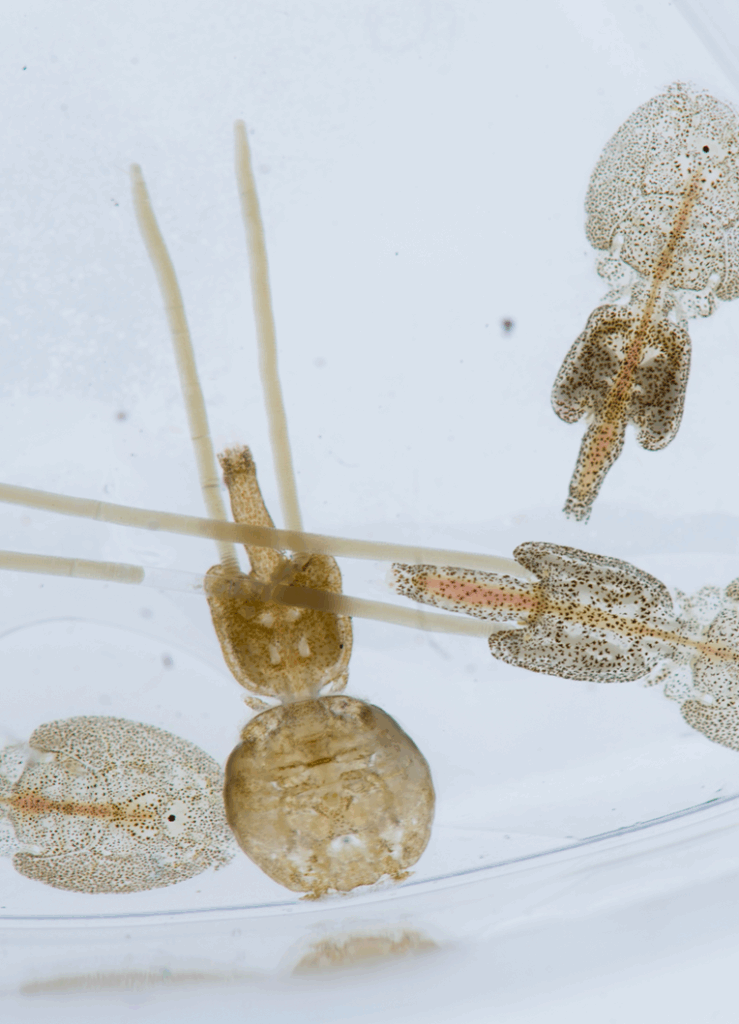
Benchmark Genetics has launched a new research and innovation project, LuseLess, in collaboration with the Norwegian research institute Nofima. The project addresses one of the most persistent biological challenges in Atlantic salmon farming: sea lice.
Funded by NOK 10 million from the Research Council of Norway through an Innovation Project in Industry (IPN), LuseLess will run from January 2026 to December 2027. The project aims to develop new, scalable genetic tools that enable Atlantic salmon to better resist sea lice through selective breeding.
From managing sea lice to breeding for resistance
Sea lice remain a major constraint on fish welfare, production efficiency and sustainability in salmon aquaculture. While the industry has developed a wide range of operational and technological measures to manage lice levels, long-term solutions require fish that are inherently more resilient.
LuseLess represents a shift in focus—from managing parasites to breeding salmon with improved biological resistance. The project builds on insights from previous research from the project CrispResist, showing that Pacific salmon species possess cellular and genetic mechanisms that either reduce lice attachment or eliminate lice early after infection.
By applying this knowledge to Atlantic salmon, the project seeks to identify new resistance phenotypes that can be incorporated into commercial breeding programmes.
Unlocking the role of the cellular immune response
The core scientific objective of LuseLess is to better understand how variation in the salmon’s cellular immune response influences resistance to sea lice. The project will investigate whether these immune responses are heritable, how they relate to lice levels in real challenge tests, and how they interact with other key production traits.
In parallel, the project will develop scalable, labour-intensive biopsy and profiling methods, enabling the application of advanced immune phenotyping across thousands of fish. This is a critical step in translating research findings into practical breeding tools.
Strong collaboration between industry and research
Benchmark Genetics contributes extensive in-kind resources to the project, including access to samples from sea lice challenge tests in Iceland, large-scale genotyping capacity, and expertise from its global salmon genetics team.
Nofima brings leading competence in immune cell function and profiling at sea lice attachment sites, as well as methodological development to support implementation in commercial breeding programmes.
The project is led by Serap Gonen, Lead, Salmon Genomics at Benchmark Genetics.
LuseLess represents a move towards breeding fish that are better equipped to resist sea lice by design,” says Gonen. “By combining advanced genetics with immune biology, we aim to deliver durable improvements in sea lice resistance that can be implemented at scale.
From the research partner’s perspective, the collaboration enables direct application of fundamental science.
This project allows us to translate detailed knowledge of immune cell function into practical tools for selective breeding,” says Nick Robinson, Senior Research Scientist at Nofima. The combination of advanced immunology and industrial breeding expertise gives LuseLess strong potential to create real impact.
Supporting fish welfare and sustainable production
With LuseLess, Benchmark Genetics reinforces its long-term commitment to research-driven selective breeding. By turning immune biology into actionable genetic traits, the project aims to support improved fish welfare and more sustainable Atlantic salmon production – delivering value for farmers, fish and the wider industry.